
Why Trade Spiffs Are Dying (and What’s Replacing Them)
The bartender quits and your spend walks out the door. There’s a new model.
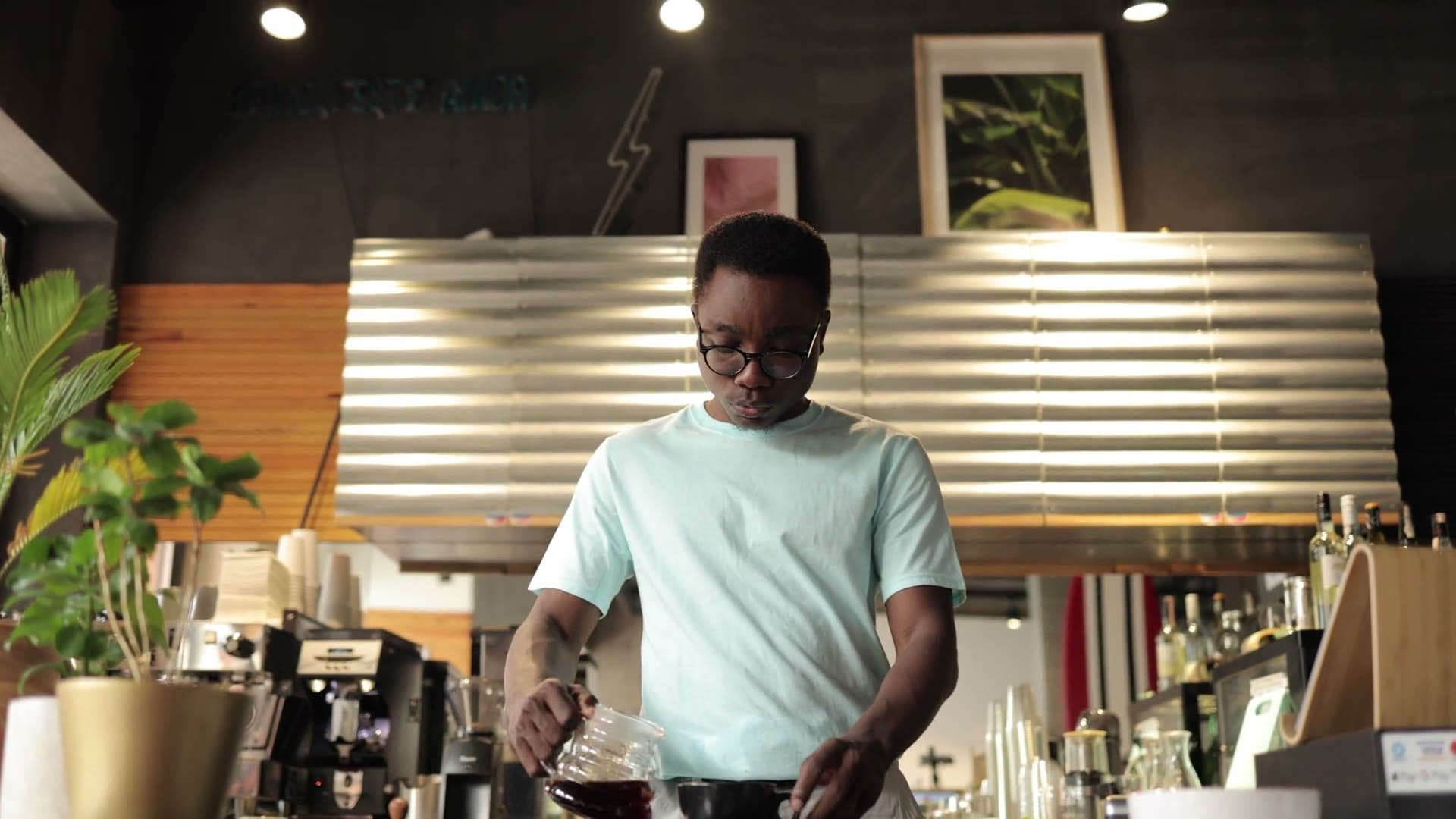
Trade spiffs — cash paid to a bartender to push a brand's SKU — have been the alcohol industry's default in-venue lever for fifty years. In 2026 the model is finally cracking. Not because the ethics suddenly changed (they were always sketchy) but because cheaper, better-attributed alternatives exist for the first time.
This is the post-mortem on a marketing channel that's quietly being replaced.
The four reasons spiffs are dying
1. No proof the push actually happened
A spiff is a handshake. The brand sends $300 a month to a bartender, the bartender promises to push the SKU, and the brand gets — what, exactly? A self-reported "yeah, I'm pushing it" on a WhatsApp message. No POS data. No redemption count. No way to distinguish the spiff lift from the baseline.
This was acceptable when there were no alternatives. There are alternatives now, and they all come with attribution.
2. Bartender turnover walks the spend out the door
The average bartender stays at a single venue for 14 months. When they leave, the spiff doesn't follow — it dies with the contract. The brand has built a relationship with a person, not a venue, and that person just took a job at another bar across town. Three weeks of negotiation gone.
In-venue brand surfaces are the opposite shape: the brand pins to the venue, not the staff. Turnover doesn't reset anything.
3. The compliance ceiling keeps lowering
State-by-state rules on bartender inducements have been tightening for ten years. Some states explicitly prohibit cash incentives. Others have grey-area rules around "promotional consideration" that brands navigate by writing checks to the venue's GM instead of the bartender. The grey area gets smaller every year.
A pinned brand drink in a guest-facing menu is a different legal instrument — it's promotional consideration to the venue, with a clear paper trail. Compliance teams love it.
4. Spiffs only reach the seats one bartender serves
A bartender on a Friday-night shift serves 60–120 covers, maybe half of whom hear the push. A pinned drink in the room menu reaches every guest inside the venue, every shift, every night the brand is sponsoring. That's a 10x reach delta at 1/4 the cost.
What's replacing them
The successor pattern has three pieces:
- Pin a drink. The brand pays the venue to feature a specific SKU at the top of the in-room menu. Every guest who opens the room sees the pinned drink. No bartender script needed.
- Sponsor a moment. The brand pays for a time-windowed takeover — Mancino Hour from 5–7 PM, Casa Noble Night on Friday, a Coconut Cartel weekend pop-up. The room is skinned with the brand for the window.
- Send a welcome. First 25 guests inside the room tonight get a free pour of the sponsored brand. The brand sees the exact redemption count, tied to POS, by guest, by venue.
All three are auditable. All three reach every guest, not just the seats one bartender served. All three survive when the bartender quits.
The cost comparison, with real numbers
A standard trade-spiff arrangement: $300 per bartender per month, at one venue. Brand serves 4 venues = $1,200/month, ~$14,400/year, no attribution.
Same brand on Peek at the Growth tier: $500/month for up to 50 venues, with per-redemption POS attribution and zone exclusivity within the brand's category. ~$6,000/year. The brand reaches 50x the venues for 40% of the spend, and actually sees what worked.
The math isn't close. The only reason spiffs persist is inertia and the personal relationships brand teams have with specific bartenders. That inertia is breaking as the new wave of brand managers (under 40, data-native) take over portfolios.
What this means for venue operators
Venues used to be the conduit between brands and bartenders — watching the spiff flow without participating in it. The new model flips that: brands pay the venue directly to host sponsored moments, the venue takes the margin, and the bartender is paid through normal payroll like any other staff role.
We see operator P&Ls where in-venue brand revenue is starting to rival ticket revenue from the bar. That's the leverage venue operators want to grab in 2026.
One thing to push back on
The skeptical read on this is: "isn't a pinned drink just a spiff with extra steps?" Sort of. The difference is who gets paid (venue, not bartender), what's measurable (POS-tied redemption counts), what's compliant (promotional consideration to a business, not a person), and what scales (one upload reaches 50–1,000 venues).
The category isn't gone. The instrument is.
If you're a brand currently running trade spiffs and want to model what the same spend looks like on a sponsored-room program, submit your brand and the team will scope it.
FAQ
What is a trade spiff in the alcohol industry?
A trade spiff is a cash incentive paid to a bartender to push a brand's SKU — usually a per-pour kickback or a flat monthly stipend. It's one of the oldest brand-side levers in the spirits business and one of the least measurable.
Are trade spiffs illegal?
It depends on the state. Some states explicitly prohibit cash inducements to bartenders; others have grey-area rules around "promotional consideration." Compliance varies, enforcement varies more. Treat it as a real legal risk in most US markets.
Why are brands moving away from spiffs?
Four reasons: (1) no proof the push happened, (2) bartenders turn over and the spend walks out the door, (3) compliance risk depending on state, and (4) the push only reaches the seats that bartender personally serves. New in-venue brand surfaces fix all four.
What's replacing trade spiffs in 2026?
In-venue brand activations through platforms that pin the brand at the top of the room menu, run sponsored takeover nights, and tie every redemption to a real POS ticket. The brand pays the venue (not the bartender) and gets per-redemption attribution.
How much does an in-venue activation cost vs a trade spiff?
A typical bartender SPIFF runs $200–500 per venue per month, with no attribution. An in-venue activation across 50 venues runs $500 total per month at the Growth tier, with every redemption tied to a POS ticket. Cheaper, broader, measurable.
Own the moment in the room.
Sponsor rooms, launch drops, reach guests while they’re seated and ready to order.
Submit your brandBest Bars in Miami to Meet People in Real Life
The rooftops, lounges, and hotel bars where Miami still gets you talking to strangers.
ReadHow Bars Can Build a Live Guest Community
The shift from email lists and Instagram followers to a room that actually talks back.
ReadHow to Meet People at a Bar Without Dating Apps
A practical guide for the post-app era. Walk in. Look up. Say one thing.
Read