
How Bars Can Build a Live Guest Community
The shift from email lists and Instagram followers to a room that actually talks back.
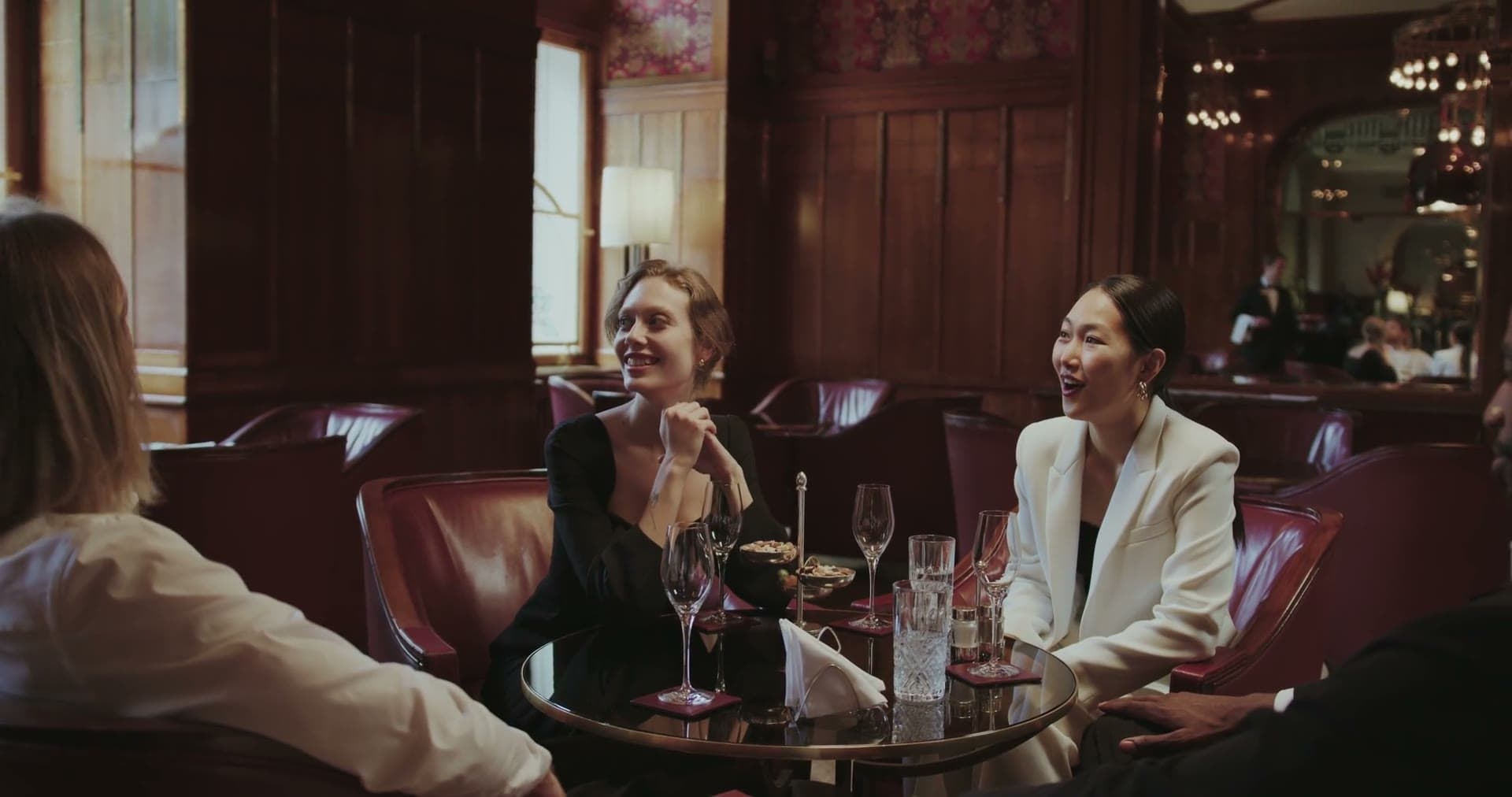
The way bars build community is broken. Every operator we talk to is spending the same money on the same stack — Toast Loyalty, Yelp ads, Mailchimp blasts, the occasional Instagram story — and getting the same outcome: a list of email addresses that go unopened on Tuesday morning.
The problem isn't the channels. The problem is the timing. All of those tools fire after the guest has already left the building. By the time the SMS hits their inbox, they're home, on their couch, deciding where to go next weekend. The window where you could have actually built loyalty was while they were sitting at your bar — and that window is exactly when most venues go silent.
The four things modern bars are doing differently
The bars and lounges actually growing community in 2026 aren't running smarter email campaigns. They've moved the conversation into the room itself. The pattern shows up in four moves:
1. The pinned welcome message
Every guest who walks in sees a pinned message at the top of the room chat — "Welcome to The Lobby. Happy hour until 8. New cocktail on the menu, ask for the Stone Pour." It's not an email. It's not an Instagram post. It's the first thing the guest reads when their phone opens to your room.
Pinned messages convert because the guest is already in your building, already deciding what to order. The pin shapes the decision.
2. The time-windowed offer
Happy hour that expires at 8 PM, pinned in the room, with a live redemption counter underneath. The countdown does the work: guests order the discounted pour before the clock runs out, and the bar captures revenue that would have been wasted on a poster nobody read.
Operators we work with see 4x the redemption rate of equivalent signage. The reason is dumb and obvious: the guest is looking at their phone, not your wall.
3. The send-a-drink rail
Guests inside the room can send each other drinks. The bar fulfills them, takes the markup, and the guest who received the drink now owes a thank-you to a stranger across the room. The bar is the host of every first conversation.
Send-a-drink turns the bar from a transaction venue into a connection venue. The same guests come back specifically becausethe bar is the place those conversations happen.
4. The venue-pinned event
Friday night DJ. Tuesday tasting. Sunday brunch trivia. Every recurring event gets pinned in the room a few hours before it starts, with an RSVP counter, and a "going" list of names guests can scroll. The room itself becomes the event-promo channel — and attendance lifts because the guests inside the room tonightare the most likely people to come back for Friday.
What this replaces
A few standard line items quietly disappear when a venue starts running a live room properly:
- Print signage. Table tents and chalkboards exist to broadcast specials. A pinned in-room message reaches more guests, updates instantly, and tells you who redeemed.
- Mailchimp lists. The room is the list. Every guest who walks in is in the audience for that night's pinned messages. No deliverability problems, no unsubscribe rate.
- Yelp ads. You're paying for visibility to people who haven't been in. The live room rewards the people who already showed up, who become the people who post organically.
- Bartender SPIFFs. Covered separately — but the short version is that a pinned drink in the room out-performs cash to a single bartender across every shift.
The operator dashboard, plainly
The mental model: the room is a dashboard, not an inbox. The operator looks at:
- Who is inside the venue right now (the live attendee list).
- What pinned messages are active and what their redemption rate is.
- What events are coming up and how many guests have RSVP'd.
- How many drinks are being sent between guests.
- Which brands are sponsoring tonight (and what the operator earns from each).
None of that exists in a Mailchimp dashboard. All of it exists in a room that opens for the guests currently inside.
The B2B math, in one line
A typical bar spends $300–800 per month on email, ads, and loyalty platforms that fire after the visit. Peek replaces most of that for less and adds the live in-room layer those tools never had — plus the brand marketplace, where partner brands like Casa Noble, Mancino, and Coconut Cartel pay the venue to host sponsored moments.
The pitch isn't "switch your marketing stack." The pitch is "start running the room you already have."
If you operate a bar, café, restaurant, hotel lobby, or social space and want to see what a live room looks like for your venue, submit your venue here. The team replies within one business day.
FAQ
How can a bar build a community of regulars?
Stop chasing email signups and start running the room. Modern guest community comes from the live chat in the bar — pinned welcomes, sent drinks between guests, time-windowed offers, and venue-pinned events. Email lists go unread; a live room runs while guests are still drinking.
What's the difference between a guest list and a guest community?
A guest list is a one-way broadcast — you send something, they may or may not open it. A guest community is a two-way live conversation that runs while guests are physically inside your venue. The bar owns the room; guests opt in by being there.
Do guests actually want to chat with strangers at a bar?
Most don't want to cold-approach a stranger, but most will respond when a stranger sends them a drink or replies to a pinned venue message. The friction is the opening line — when the room handles that, the conversation rate is much higher than IRL.
How is this different from Yelp or Instagram?
Yelp and Instagram are post-visit and one-to-many. The conversation happens after the guest has left the building. A live in-venue community happens during the visit — pinned offers convert in real time, not next Tuesday.
What does this cost a venue?
Peek is included in every venue plan starting at the entry tier. Pinned messages, room chat, in-room offers, and birthday/return-visit automations are all included — no per-feature add-on.
Run a live room for your space.
Café, restaurant, bar, hotel lobby, coworking. Peek turns the room into a network.
Submit your venueBest Bars in Miami to Meet People in Real Life
The rooftops, lounges, and hotel bars where Miami still gets you talking to strangers.
ReadWhy Trade Spiffs Are Dying (and What’s Replacing Them)
The bartender quits and your spend walks out the door. There’s a new model.
ReadHow to Meet People at a Bar Without Dating Apps
A practical guide for the post-app era. Walk in. Look up. Say one thing.
Read